Category: Blog

Your blog category

  • National Education Day : Honoring Dr. Maulana Abul Kalam Azad’s Legacy

    National Education Day : Honoring Dr. Maulana Abul Kalam Azad’s Legacy

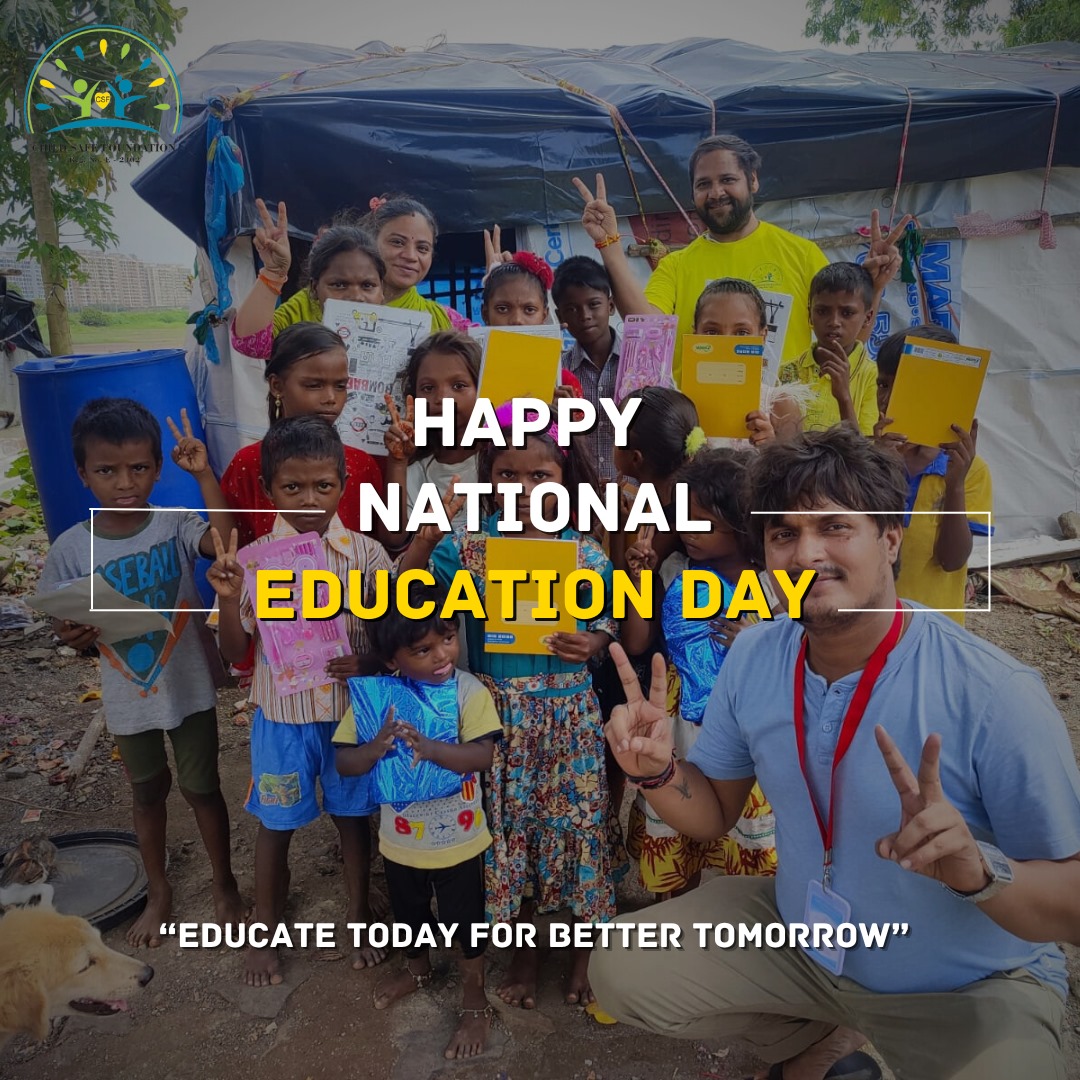
    Every year, on November 11th, India celebrates National Education Day to honor Maulana Abul Kalam Azad, a revered freedom fighter, scholar, and India’s first Education Minister. This day not only pays tribute to Azad’s legacy but also highlights the essential role of education in driving personal and national progress.

    Why We Celebrate National Education Day

    National Education Day, therefore, serves as a tribute to Azad’s enduring contributions to India’s educational landscape. He believed that education was a powerful tool for shaping minds, empowering youth, and strengthening communities. Indeed, his dedication laid a strong foundation for the country’s modern education system.
    Education

    Maulana Abul Kalam Azad: A Visionary Reformer

    Azad (1888-1958), both a freedom fighter and an educational pioneer, was a true visionary. As India’s first Education Minister, he established transformative institutions that continue to impact Indian education today. Specifically, his contributions include:

    • Founding the University Grants Commission (UGC): Azad recognized the importance of a central body to maintain and enhance quality in higher education.
    • Encouraging Science and Technical Education: Under his guidance, India established the Indian Institutes of Technology (IITs) and the Indian Institute of Science (IISc), which are now celebrated worldwide for their research and innovation.
    • Expanding Access to Secondary Education: Azad also believed in making secondary education more accessible to all, ensuring opportunities for students across socioeconomic backgrounds.

    Why Education is Critical in India Today

    Moreover, This Day reminds us of education’s transformative power, which uplifts individuals and entire communities. Education is especially essential in a young, developing country like India, providing the foundation for national progress. Notably, India’s National Education Policy 2020 (NEP 2020) aligns with Azad’s vision by:

    • Promoting access for all students, regardless of socioeconomic status.
    • Integrating technology and digital learning in classrooms.
    • Emphasizing skill development and critical thinking.
    • Promoting multilingual education that respects India’s linguistic diversity.

    How National Education Day is Celebrated

    Schools and colleges across the country celebrate National Education Day with seminars, debates, and essay competitions. These activities honor Azad’s legacy, encourage discussions on educational reform, and highlight the significance of learning in nation-building.

    Looking Ahead: The Future of Education in India

    As we celebrate, it’s also essential to think about the future. Education in India still faces challenges, including dropout rates, limited resources in rural areas, and a significant digital divide. Addressing these issues is critical to fully realizing Azad’s vision of a strong, educated India.

    Conclusion

    In conclusion, National Education Day reminds us to recognize the value of education in shaping a brighter future. By improving accessibility, quality, and equity in education, we can continue to honor Maulana Abul Kalam Azad’s legacy and contribute to a stronger, more educated India.

    “The foundation of a nation is laid in the classroom. The classroom is a microcosm of the nation.” -Maulana Abul Kalam Azad

  • APJ Abdul Kalam: The People’s President and His Legacy of Charitable Work

    APJ Abdul Kalam: The People’s President and His Legacy of Charitable Work

    Dr. APJ Abdul Kalam, the 11th President of India, was not only known for his leadership and scientific achievements but also for his deep commitment to charitable causes. Revered as the “Missile Man of India,” Dr. Kalam left a lasting impact on the nation, particularly in the fields of education, rural development, and youth empowerment. This post explores his humble beginnings, his philanthropic efforts, and how his legacy continues to inspire charitable work today.

    Early Life of APJ Abdul Kalam: Humble Beginnings that Shaped His Vision

    Born on October 15, 1931, in Rameswaram, Tamil Nadu, APJ Abdul Kalam grew up in a modest household. Despite facing financial difficulties, he pursued education with determination and went on to become a prominent scientist and a beloved President of India. His early experiences instilled in him a deep understanding of the struggles faced by underprivileged communities, which later fueled his charitable initiatives.

    APJ Abdul Kalam’s Charitable Work: Empowering Through Education

    One of the cornerstones of Dr. Kalam’s philanthropy was his unwavering support for education. He believed that education was the most powerful tool for uplifting marginalized communities and transforming society. Throughout his life, he advocated for accessible education for all, especially underprivileged children in rural areas.

    Dr. Kalam launched several educational initiatives, including the Kalam Foundation, which provides scholarships to deserving students. He also actively participated in educational programs, visiting schools and colleges to motivate young minds. His vision was not just limited to academic excellence but focused on fostering creativity, innovation, and leadership among the youth.

    PURA: A Visionary Project for Rural Development

    One of APJ Abdul Kalam’s most impactful charitable contributions was the PURA (Providing Urban Amenities to Rural Areas) project. The goal of PURA was to bridge the development gap between urban and rural India. This initiative aimed to improve infrastructure, education, healthcare, and employment opportunities in rural areas, helping millions lead better lives.

    Dr. Kalam believed that empowering rural communities was key to India’s growth. Through PURA, he championed holistic development by providing essential services and ensuring that rural areas had the resources to thrive independently. This initiative continues to inspire other rural development projects across India.

    Youth Empowerment: The Heart of Kalam’s Charitable Efforts

    APJ Abdul Kalam placed immense trust in the potential of India’s youth. His message to young people was clear: “Dream big, work hard, and never give up.” He believed that by empowering the youth with knowledge and skills, they could become the driving force for change in society.

    Dr. Kalam supported several programs aimed at fostering innovation and entrepreneurship among young people, particularly in rural areas. His vision was to create a generation of self-reliant individuals who could address societal challenges with creative solutions. Through his work, he consistently emphasized the importance of science, technology, and innovation as tools for nation-building.

    The Legacy of APJ Abdul Kalam’s Charitable Work

    Dr. APJ Abdul Kalam’s charitable work extended far beyond his presidency. His efforts in promoting education, rural development, and youth empowerment continue to inspire generations. His foundation and initiatives like PURA are living testaments to his belief in creating an equitable and prosperous society.

    Though Dr. Kalam passed away in 2015, his legacy remains alive in the charitable organizations and educational institutions that continue to honor his vision. His life serves as a reminder that true leadership is about empowering others and giving back to society.

    Conclusion: Carrying Forward APJ Abdul Kalam’s Vision

    APJ Abdul Kalam’s charitable work teaches us the importance of service to humanity. His commitment to improving the lives of the underprivileged, particularly through education and rural development, continues to inspire individuals and organizations worldwide. As we reflect on his contributions, we are reminded of the power of compassion, knowledge, and selfless service in creating a better world.

    Let Dr. Kalam’s vision encourage us all to make a positive difference in our communities, however small it may be.

  • International Day of the Girl Child – Empowering Girls for a Brighter Future

    International Day of the Girl Child – Empowering Girls for a Brighter Future

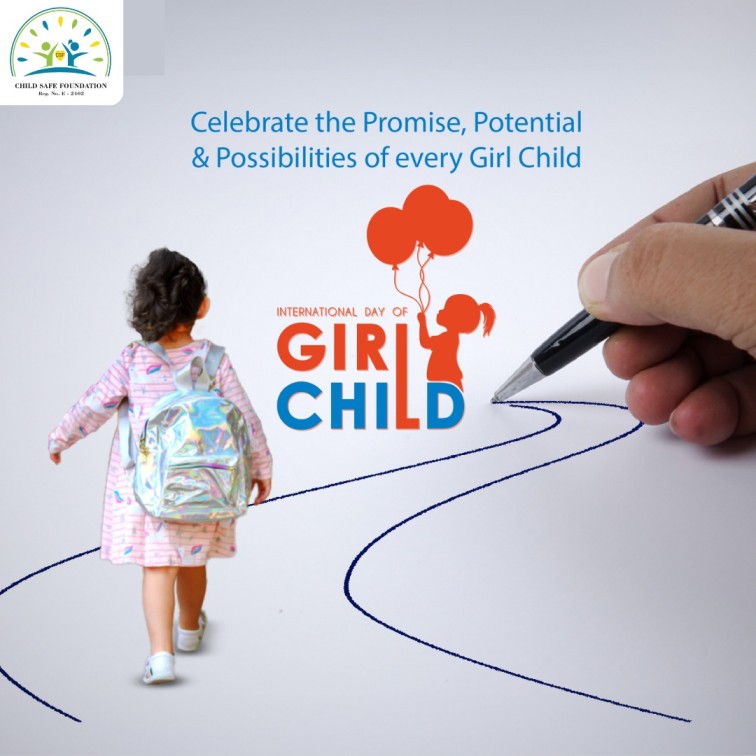
    Every year on October 11th, we come together to celebrate the International Day of the Girl Child—a day that promotes the rights, education, and empowerment of girls worldwide. This day highlights the unique challenges young girls face and emphasizes their incredible potential to transform their communities and the world.

    At our Child Safety Foundation, we firmly believe that ensuring the safety and empowerment of girls is essential for building a just and equal society. Unfortunately, millions of girls around the globe still face gender-based discrimination, violence, and a lack of access to education. Moreover, harmful cultural practices continue to deny them their basic rights. Every girl deserves the opportunity to thrive, feel safe, and pursue her dreams.

    The Theme for 2024: “Invest in Girls’ Rights: Our Leadership, Our Well-Being”

    This year’s theme focuses on the urgent need to invest in girls’ leadership and well-being. We must create spaces where girls can express their voices, take on leadership roles, and actively participate in decisions that affect their lives and communities. Supporting girls means fostering environments where they can grow free from fear, discrimination, and violence.

    The Power of Education

    One of the most effective ways to empower girls is through education. Educating girls not only lifts them out of poverty but also generates a ripple effect throughout society. Studies consistently show that educated girls are more likely to become leaders, have healthier families, and contribute positively to their communities. Education equips girls with the tools they need to stand up against injustice, make informed choices, and break the cycle of poverty for future generations.

    However, global statistics reveal a troubling reality: 129 million girls are currently out of school. The pandemic has further exacerbated this issue, forcing many girls to leave school, with some never returning. Therefore, we must advocate for policies that support girls’ education and ensure that education is accessible to all, regardless of background.

    Combating Violence Against Girls

    A significant barrier to girls’ empowerment is the pervasive violence they face—both at home and in their communities. Girls often suffer from child marriage, trafficking, sexual abuse, and other forms of exploitation, which negatively impact their physical and mental well-being and limit their potential.

    At our Child Safe Foundation, we actively promote child safety by raising awareness of these critical issues, supporting survivors, and advocating for stronger laws and protections for girls. We believe that every girl deserves to feel safe, whether in school, at home, or in public spaces.

    Girls as Changemakers

    Despite the numerous obstacles they encounter, girls worldwide are proving to be resilient, resourceful, and capable leaders. From climate activists to tech innovators, girls are making their mark on the world and leading efforts for social change. Consequently, investing in girls’ leadership skills from an early age is crucial—when given the chance, girls can—and will—make a difference.

    How You Can Help

    As a member of the global community, you play a vital role in empowering girls. Here are several ways you can get involved:

    • Advocate: Speak up for girls’ rights and gender equality. Every voice matters, whether online or in your local community.
    • Support Organizations: Donate to or volunteer with organizations focused on girls’ education, safety, and leadership development.
    • Mentor a Girl: If you can, mentor a young girl and provide guidance and encouragement as she navigates life’s challenges.
    • Raise Awareness: Use social media to highlight the challenges and triumphs of girls around the world, encouraging others to get involved.

    Our Commitment to Girls’ Safety and Empowerment

    At our Child Safety Foundation, we are committed to creating a safer, brighter future for girls. We work on the ground to provide support services, raise awareness, and advocate for policy changes that protect girls’ rights. Through our programs, we empower girls to break free from cycles of violence and exploitation, helping them build lives filled with promise and opportunity.

    On this International Day of the Girl Child, let us celebrate the resilience and power of girls everywhere. However, we must also acknowledge the significant work that remains. Together, we can create a world where every girl grows up safe, empowered, and free to pursue her dreams.

    Empowering girls is not just the right thing to do—it is an investment in our future. When girls thrive, entire communities benefit. Let’s continue to stand with girls today and every day as we work toward a world where every girl is free to dream, lead, and succeed.

    “You educate a man; you educate a man. You educate a woman; you educate a generation.”
    – Brigham Young

  • The Devastating Impact of War on Children

    The Devastating Impact of War on Children

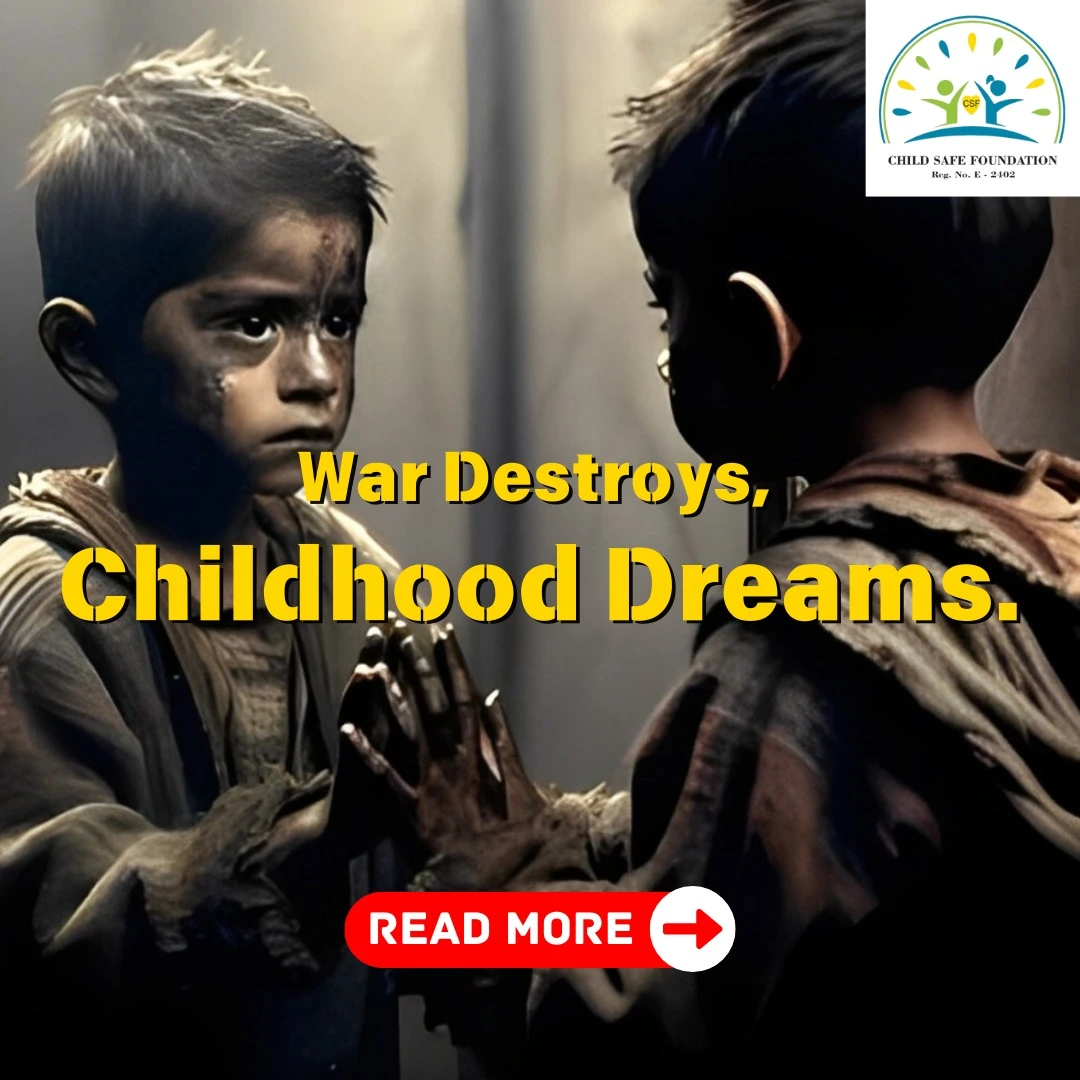
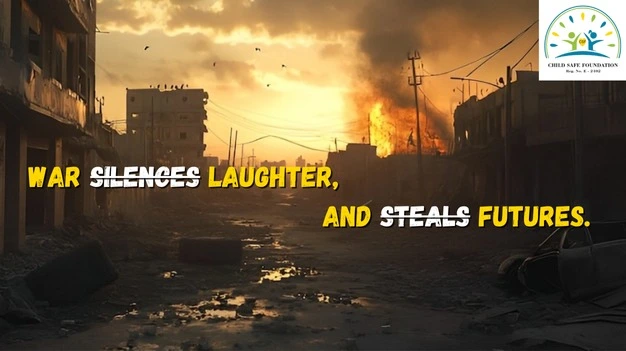
    War is a catastrophic event that disrupts lives, particularly affecting children, who are often the most vulnerable victims. The devastating impact of war on children extends far beyond the battlefield, leaving deep emotional and physical scars on young lives. According to UNICEF, millions of children are currently out of school due to conflicts, significantly affecting their education and future prospects. Additionally, many face psychological trauma, which can lead to long-lasting mental health issues.

    At Child Safe Foundation, we explore the multifaceted impact of war on children, highlighting key areas of concern such as mental health, education disruption, and the increased risk of recruitment into armed groups. Our goal is to raise awareness and advocate for protecting and supporting children caught in the crossfire of conflict.

    1. Psychological Trauma

    One of the most immediate and profound effects of war on children is psychological trauma. Exposure to violence, displacement, and loss can lead to severe mental health issues, including anxiety, depression, and post-traumatic stress disorder (PTSD). According to research by the American Psychological Association, children in war zones exhibit significantly higher rates of psychological distress compared to their peers in peaceful regions​. The trauma experienced during these formative years can have lasting effects on their emotional and mental health.

    2. Disruption of Education

    War disrupts access to education, which is crucial for children’s development. Schools may be destroyed, repurposed for military use, or become too dangerous to attend. UNICEF reports that millions of children are out of school due to armed conflict​. This lack of education hinders their learning and limits their future opportunities and social development. Education provides a sense of normalcy and stability, which is often stripped away during times of war.

    3. Physical Health Risks

    Children in conflict zones face significant health risks due to disrupted healthcare services and inadequate nutrition. The World Health Organization has highlighted the increased incidence of malnutrition and disease in these regions​. Without access to proper healthcare, vaccinations, and nutritious food, children are at risk of severe health complications that can affect their growth and development.

    war

    4. Recruitment into Armed Groups

    In many conflict areas, children are forcibly recruited into armed groups or may take up arms themselves. This exposure to violence not only endangers their lives but also impacts their psychological and social development. The recruitment of child soldiers is a violation of international law, yet it remains a grim reality in various regions around the world​.

    5. Family Separation

    Wars often lead to family separations, with children losing their parents or being displaced from their homes. The trauma of losing a parent or being uprooted from familiar surroundings can create feelings of isolation and abandonment​. This loss can devastate their emotional well-being and sense of security.

    6. Social and Economic Disruption

    Armed conflict disrupts the social fabric of communities, leading to increased poverty and instability. Children growing up in such environments face long-term challenges related to a lack of opportunities, education, and social unrest​. The economic fallout from war often means that families cannot provide for their basic needs, further exacerbating the cycle of poverty and hardship.

    Conclusion

    The impact of war on children is devastating and far-reaching. The psychological, educational, physical, and social ramifications create a cycle of trauma and deprivation that can last a lifetime. As we strive to address these challenges, it is imperative that we advocate for peace, support humanitarian efforts, and ensure that children’s rights are protected in conflict zones.

    “The greatest casualties of war are always children.”Harrowing Truths

  • Empowering Every Child: The Significance of Child Rights in India

    Empowering Every Child: The Significance of Child Rights in India

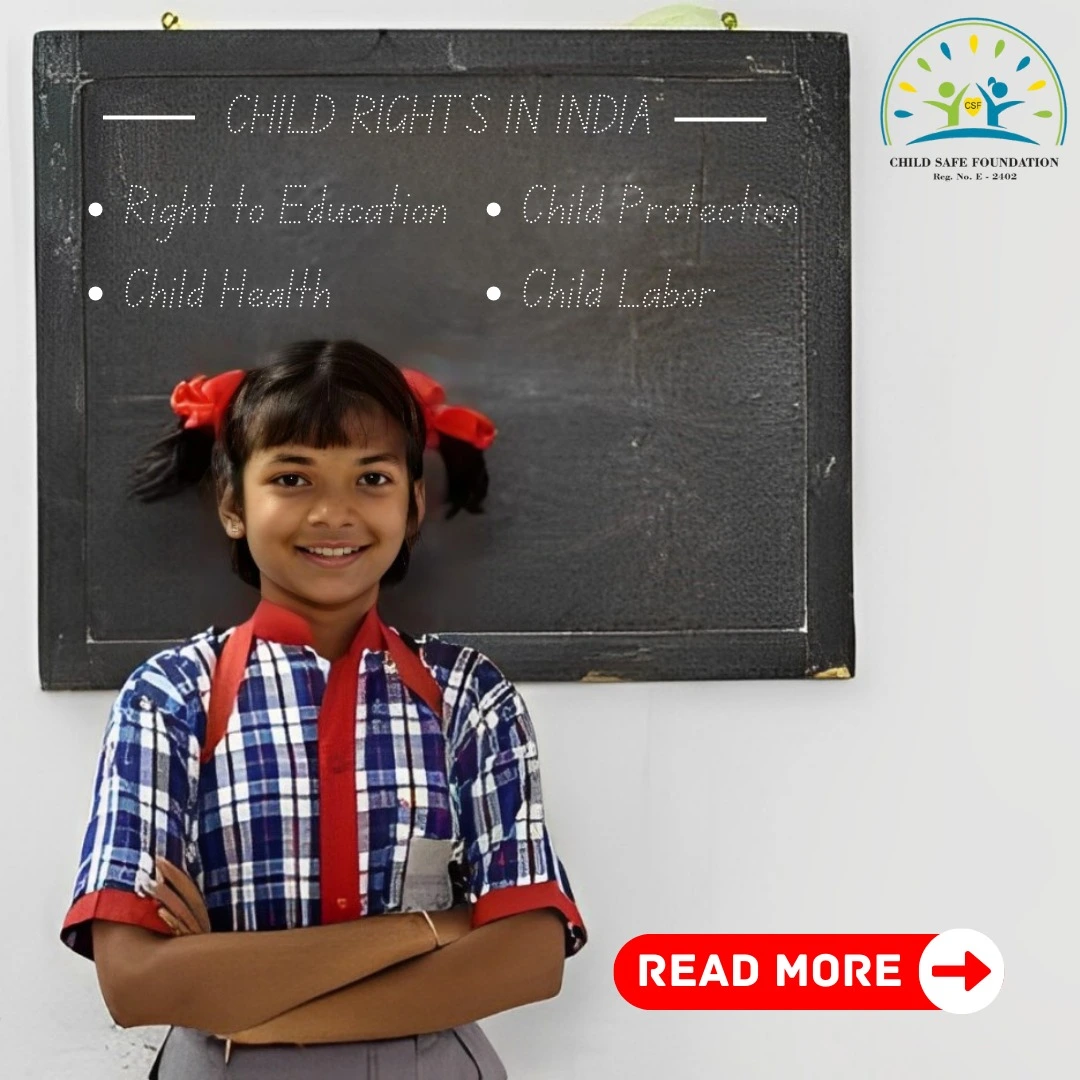
    Child rights are crucial for ensuring that children grow up healthy, educated, and safe. They are essential for shaping a brighter future for any nation. In India, these rights include providing every child with a loving home, a quality education, and a safe environment to thrive. However, despite advancements in laws and regulations, many children still face significant challenges like abuse, child labour, and lack of access to education.

    Right to Life: Health and Nutrition

    Every child has the right to survive and live a healthy life, which means access to basic healthcare and proper nutrition. While there have been improvements in child healthcare and a decrease in infant mortality rates, malnutrition remains a serious issue, especially in rural areas. Many children lack the necessary food and medical care for healthy growth. Programs like the mid-day meal initiative and Integrated Child Development Services (ICDS) have made a difference, but there is still much work to be done. Investing in healthcare and nutrition is vital, as a healthy child is the foundation of a prosperous future.

    Right to Education: Building Brighter Futures

    Education is the key to breaking the cycle of poverty. The Right to Education (RTE) Act guarantees free and compulsory education for children aged six to fourteen. However, many children, especially girls and those from marginalized communities, still face barriers to accessing quality education. Factors such as poverty, cultural norms, and child labour can force them to drop out of school. It’s important to create safe and welcoming schools that encourage learning and growth. Empowering girls through education is especially impactful, as educated women contribute positively to their families and communities.

    Right to Protection: Keeping Children Safe

    Every child deserves protection from harm. Unfortunately, issues like child labour, trafficking, and abuse are still prevalent in India. Despite laws aimed at safeguarding children, many still suffer in silence. Prevention is always better than cure, so it’s essential to focus on protecting children before harm occurs. Strengthening laws, providing support networks, and creating safe spaces can help ensure that children grow up free from danger. Remember, it takes a community to raise a child, and everyone has a role in safeguarding the well-being of our youth.

    Right to Participation: Giving Children a Voice

    Children have the right to express their opinions and be involved in decisions that affect their lives. By including them in conversations, we help them understand their rights and responsibilities, fostering a sense of belonging. Initiatives like student parliaments encourage children to share their views and participate in decision-making processes. Empowering children to voice their thoughts is vital for their development and helps create a community that respects and values everyone.

    Conclusion

    Child rights are not just legal obligations; they are moral commitments to the future of our society. By protecting and nurturing our children, we can build a stronger, healthier, and more just community. Every child in India deserves to grow up in a loving and supportive environment. Together, we can work towards a world where every child has the opportunity to thrive and contribute meaningfully to society. Remember, nurturing a child’s mind is a collective responsibility, and by ensuring they understand and enjoy their rights, we create a better future for all.

  • Fighting Hunger: Innovative Solutions and Success Stories

    Fighting Hunger: Innovative Solutions and Success Stories

    Hunger is a pressing issue that affects millions of individuals around the globe. It’s not just about feeling hungry; it’s a complex challenge impacting health, education, and economic stability. The world has made strides in addressing this crisis, but traditional methods alone aren’t enough. While donations and food banks have long served as safety nets for those in need, innovative solutions are emerging—solutions that empower communities and create lasting change.

    As we explore these fresh approaches to fighting hunger, we’ll uncover inspiring success stories demonstrating what’s possible when creativity meets compassion. From community gardens sprouting up in urban environments to mobile food pantries delivering sustenance right where it’s needed most, there’s hope on the horizon. Join us as we delve into how these initiatives make a real difference in people’s lives and discover how you can play a part in creating sustainable solutions for our future.

    Food banks have been instrumental in the fight against hunger for decades. These organizations act as central hubs, collecting surplus food from various sources, including farmers, manufacturers, and retailers. This food is then stored and distributed to individuals and families facing food insecurity. The effectiveness of food banks lies in their ability to consolidate resources and ensure that nutritious food reaches those in need. Volunteers play a crucial role, in sorting and packaging food items and facilitating the distribution process.

    Donations from individuals, organizations, and businesses further support these efforts. Whether through monetary contributions or food items, donations help fill gaps that food banks cannot cover alone. Every donation, from a single can of soup to substantial financial support, contributes to alleviating hunger and providing essential sustenance.

    However, traditional methods have limitations. Food banks and donation-based models often struggle with scalability, especially during crises or economic downturns. The demand for food can outstrip supply, leading to shortages and unmet needs. Furthermore, these approaches tend to address the symptoms of hunger rather than the root causes, such as poverty and lack of access to resources.

    To address these limitations, innovative solutions are gaining traction, offering fresh perspectives on how to combat hunger more effectively:

    • Mobile Food Pantries: Mobile food pantries offer a dynamic solution to food distribution by bringing groceries directly to underserved areas. These pantries, equipped with trucks or vans, travel to locations where access to traditional grocery stores is limited. This approach makes it easier for individuals and families who may struggle with transportation or live in food deserts to obtain essential food items. Mobile pantries can adapt to meet the specific needs of different communities, providing tailored support and enhancing overall accessibility.
    • Community Gardens: Community gardens represent a powerful shift towards local food production. These gardens, often established in urban or underserved areas, allow residents to grow their own fruits and vegetables. This approach provides immediate access to fresh produce while fostering a sense of community and self-reliance. Participants in community gardens not only benefit from the nutritional value of homegrown food but also engage in collaborative efforts that strengthen social bonds. These gardens can serve as educational platforms, teaching individuals about sustainable agriculture and healthy eating habits.
    • Food Rescue Programs: Food rescue initiatives address both food waste and hunger by recovering surplus food that would otherwise be discarded. Volunteers and organizations partner with businesses, such as restaurants and grocery stores, to collect surplus items and redirect them to food distribution centers or directly to individuals in need. This method not only reduces the environmental impact of food waste but also ensures that nutritious food reaches those who might not otherwise have access to it. Food rescue programs can operate at various scales, from local community efforts to larger, national organizations.

    Across the globe, these innovative solutions are making a significant impact:

    • Mobile Food Pantries Across the U.S.: Mobile food pantries are making a difference in various parts of the United States. These services bring essential groceries to remote and underserved communities, addressing barriers to access and improving food security. The convenience and adaptability of mobile pantries have proven effective in reaching individuals who might otherwise go without.
    • Detroit’s Community Gardens: In Detroit, community gardens have become a symbol of resilience and empowerment. These gardens not only provide fresh produce but also foster community spirit and collaboration among residents. By transforming vacant lots into productive green spaces, these gardens have revitalized neighbourhoods and created opportunities for local engagement.
    • San Francisco’s Food Rescue Programs: In San Francisco, food rescue programs have successfully tackled the dual issues of food waste and hunger. Partnerships between organizations and local businesses have redirected surplus food from landfills to individuals in need. This effort has significantly reduced food waste while ensuring that high-quality, nutritious food is available to those who require it.

    Addressing hunger through innovative solutions has transformative effects on communities:

    • Strengthened Community Bonds: Innovative hunger solutions foster a sense of community and collective action. By working together to address food insecurity, individuals and organizations build stronger, more resilient communities.
    • Improved Health Outcomes: Access to nutritious food leads to better health outcomes, including reduced rates of diet-related illnesses and improved overall well-being. When individuals and families receive adequate nutrition, their quality of life improves, enabling them to participate more fully in society.
    • Enhanced Educational Performance: For children, access to healthy meals is linked to better academic performance and social development. Nutritional support helps children focus in school, participate in extracurricular activities, and develop essential life skills.
    • Economic Growth: Community gardens, food rescue programs, and mobile pantries can stimulate local economies by creating jobs and promoting sustainable practices. These initiatives often involve local businesses and volunteers, fostering economic development and community engagement.

    There are numerous ways individuals can contribute to the fight against hunger:

    • Donate: Financial contributions and food donations are always needed. Even small donations can have a significant impact when combined with the efforts of others.
    • Volunteer: Get involved with local food banks, community gardens, or food rescue programs. Volunteering your time and skills helps ensure that resources are effectively distributed and supports those in need.
    • Support Local Initiatives: Participate in or start community gardens, contribute to food rescue efforts, and support mobile food pantries. Your involvement can make a tangible difference in addressing food insecurity.
    • Advocate: Raise awareness about hunger issues and advocate for policies that support sustainable solutions. Your voice can help drive change at both local and national levels.

    The fight against hunger is a collective effort that requires innovation, collaboration, and commitment. By embracing new approaches and supporting effective solutions, we can address both the symptoms and root causes of hunger. Together, we have the power to create a future where everyone has access to nutritious meals, and hunger is a challenge we have overcome. Let’s continue to champion these efforts, celebrate successes, and work towards a world where no one goes without the essential sustenance they need.

  • Environment Planet

    Environment Planet

    “एक राष्ट्र के रूप में अस्तित्व में रहने के लिए, एक राज्य के रूप में समृद्ध होने के लिए, और एक लोगों के रूप में जीने के लिए, हमारे पास पेड़ होने चाहिए।” — थियोडोर रूजवेल्ट

    At Child Safe Foundation, we believe that every tree planted is a step towards a brighter future. We invite you to join us in our mission to create a greener world. Whether you’re a seasoned gardener or a first-time planter, your efforts make a difference. Together, we can sow the seeds of change and watch them grow into a forest of hope and resilience.

    “पेड़ पृथ्वी का अनंत प्रयास है स्वर्ग से बात करने का।” — रवीन्द्रनाथ टैगोर

    Save Tree Save Earth

    “कोई आज छाया में बैठा है क्योंकि किसी ने बहुत समय पहले एक पेड़ लगाया था।” — वॉरेन बफेट

    “पेड़ लगाने का सबसे अच्छा समय 20 साल पहले था। दूसरा सबसे अच्छा समय अब है।”

    Tree planting is more than just an environmental act; it’s a journey of growth, connection, and stewardship. At Child Safe Foundation, our tree-planting activities are a testament to our commitment to nurturing both nature and the community.

    Every tree we plant is a seed of hope, symbolizing our dedication to a greener, healthier planet. Our volunteers gather near Pancham Hindi Vidyalaya & Junior College, Nalasopara East, united by a shared vision of a sustainable future. With shovels in hand and hearts full of enthusiasm, we dig into the soil, planting saplings that will one day stand tall as guardians of our environment.

    • What is the need for planting trees?
      • Environmental Benefits: Trees absorb carbon dioxide and release oxygen, which helps reduce the greenhouse effect and combat climate change. They also help in maintaining biodiversity by providing habitat for various species of plants and animals.
      • Air Quality: Trees improve air quality by filtering pollutants and dust from the air, providing cleaner and healthier air to breathe.
      • Water Conservation: Trees play a significant role in water conservation. Their roots help in retaining water in the soil, reducing the risk of floods and preventing soil erosion.
      • Climate Regulation: Trees provide shade and reduce the temperature in urban areas, which can help mitigate the urban heat island effect. They also help in maintaining the water cycle through transpiration.
      • Economic Benefits: Trees contribute to the economy by providing resources such as fruits, nuts, timber, and other forest products. They also increase property values and can reduce energy costs by providing natural cooling.
      • Aesthetic and Recreational Value: Trees enhance the beauty of landscapes and provide spaces for recreation and relaxation. They contribute to the well-being of communities by offering green spaces for people to enjoy.
      • Health Benefits: Trees have been shown to reduce stress and improve mental health. Access to green spaces is associated with lower levels of depression and anxiety.
      • Cultural and Spiritual Significance: Trees often hold cultural and spiritual significance in many societies, symbolizing life, growth, and connection to nature.
  • Women Empowerment

    Women Empowerment

    “I am not free while any woman is unfree, even when her shackles are very different from my own.”

    How has women’s empowerment personally affected your life or the lives of women you know? What changes have you observed in your community due to efforts towards women’s empowerment? How can individuals contribute to empowering women in their everyday lives?

    “Feminism isn’t about making women strong. Women are already strong. It’s about changing the way the world perceives that strength.” – G.D. Anderson

    Women’s empowerment has profoundly impacted both my life and the lives of women around me in multifaceted ways. Personally, witnessing the journey of empowerment has instilled a sense of resilience and determination in me, showing that barriers can be overcome and voices can be amplified.

    In my community, the efforts towards women’s empowerment have brought about noticeable shifts. One of the most significant changes is the increased visibility and participation of women in decision-making roles. I’ve seen women stepping into leadership positions in local government, community organizations, and businesses. This representation not only inspires younger generations but also brings diverse perspectives to the forefront of community issues and initiatives.

    Moreover, initiatives focusing on education and skill development have empowered women economically. Through vocational training programs and access to educational resources, women have gained valuable skills that enable them to enter the workforce or start their own businesses. This economic empowerment not only enhances their financial independence but also contributes to the overall economic growth and stability of the community.

    Socially, there has been a noticeable shift in attitudes towards gender roles and stereotypes. Discussions around gender equality and women’s

  • World Kidney Day

    World Kidney Day

    Child Safe Foundation Thoughts on World Kidney day

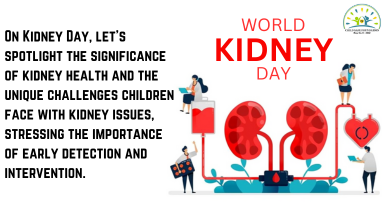
    As the world marks World Kidney Day, a global initiative aimed at raising awareness about the importance of kidney health, organizations like Child Safe Foundation stand at the forefront, advocating for the well-being of vulnerable populations, including children. In this blog post, we delve into the significance of World Kidney Day, the importance of kidney health for children, and how Child Safe Foundation is making a difference in safeguarding the renal health of the young generation.

    World Kidney Day

    Understanding World Kidney Day:

    World Kidney Day, observed annually on the second Thursday of March, serves as a platform to raise awareness about the importance of maintaining healthy kidneys and to advocate for access to kidney care for all. It aims to highlight the growing burden of kidney disease worldwide and encourage preventive measures to reduce the risk factors associated with kidney ailments.

    The Significance of Kidney Health for Children:

    Kidneys play a crucial role in maintaining overall health by filtering waste products and excess fluids from the blood, regulating blood pressure, and producing essential hormones. While kidney diseases are often associated with adults, children are also susceptible to various kidney disorders, including congenital anomalies, urinary tract infections, and autoimmune conditions. Early detection and intervention are vital in ensuring optimal kidney health for children and preventing long-term complications.

    Child Safe Foundation’s Role in Promoting Kidney Health:

    Child Safe Foundation recognizes the importance of kidney health in ensuring the well-being of children. Through various initiatives and programs, we strive to promote awareness about kidney health among children and their caregivers, emphasizing the importance of adopting a healthy lifestyle, staying hydrated, and seeking timely medical attention for any signs of kidney-related issues.

    Preventive Healthcare Education:

    Child Safe Foundation conducts educational workshops and outreach programs in schools, communities, and healthcare facilities to raise awareness about preventive measures for kidney health. These initiatives focus on promoting healthy dietary habits, encouraging regular physical activity, and educating children and families about the early signs and symptoms of kidney problems.

    Access to Healthcare Services:

    We work tirelessly to ensure that children from underserved communities have access to essential healthcare services, including screening for kidney-related conditions, diagnostic tests, and treatment options. Through partnerships with healthcare providers and institutions, Child Safe Foundation facilitates access to quality care for children in need, regardless of their socioeconomic background.

    Support for Children with Kidney Disorders:

    For children diagnosed with kidney disorders, Child Safe Foundation provides comprehensive support services, including medical consultations, counselling, and financial assistance for treatment and medication. Our multidisciplinary approach ensures that children and their families receive the holistic support they need to manage their condition and lead fulfilling lives.

    Advocacy and Policy Reform:

    In addition to direct interventions, Child Safe Foundation actively advocates for policies and initiatives that promote kidney health and improve access to healthcare services for children. We collaborate with government agencies, healthcare professionals, and other stakeholders to address gaps in healthcare infrastructure and ensure that every child receives the care they deserve.

    Conclusion:

    As we commemorate World Kidney Day, let us reaffirm our commitment to promoting kidney health for children worldwide. Child Safe Foundation remains steadfast in its mission to safeguard the renal health of the young generation, working tirelessly to raise awareness, provide access to healthcare services, and support children and families affected by kidney disorders. Together, we can make a difference and ensure a healthier future for all children.