Tag: Children

  • Celebrating 3 Years of Impact: Child Safe Foundation.

    Celebrating 3 Years of Impact: Child Safe Foundation.

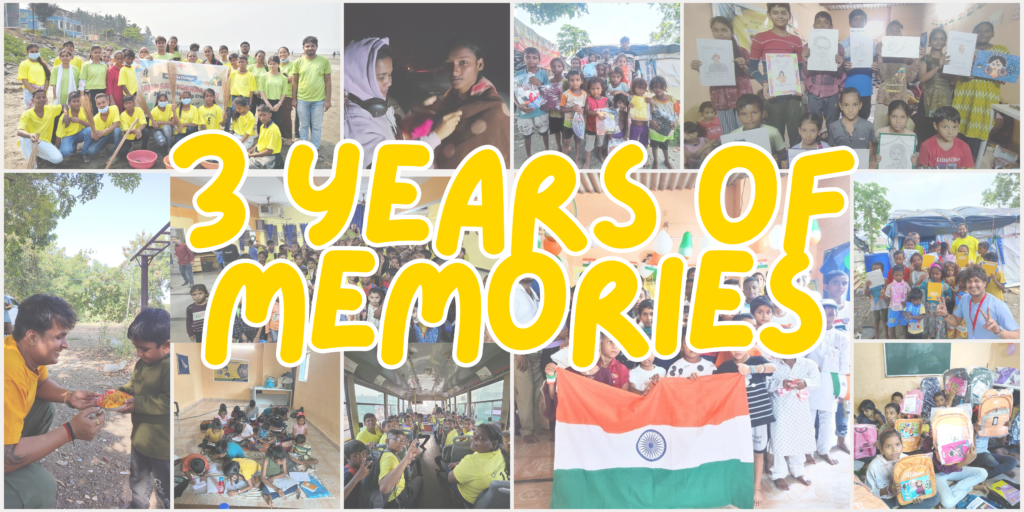
    Three years ago, Child Safe Foundation was founded. Our goal was to create a safer and more supportive world for underprivileged children. Today, as we celebrate our 3rd anniversary, we take a moment to reflect. We look back at our milestones, the lives we have touched, and the unwavering support of our donors, volunteers, and well-wishers. Their generosity and dedication have truly made this journey possible.

    A Journey Marked by Compassion and Change

    Since the beginning, Child Safe Foundation has been deeply committed to helping vulnerable children. Over time, our initiatives have gradually expanded. As a result, we have been able to reach thousands of children across Maharashtra and beyond. Because of this, we have witnessed significant progress in the lives of those we support.
    child safe foundation

    Significant Milestones and Achievements

    • Education Support: Every child deserves an education. However, many children face financial barriers. To address this issue, we have sponsored school fees, provided learning materials, and worked towards making quality education more accessible. Consequently, many children have stayed in school and continued their studies without disruption.
    • Medical Assistance: Many children face serious health issues. Some need immediate medical attention. In response, we have raised funds to support children battling illnesses such as leukaemia, premature birth complications, and rare disorders. Some notable cases include Rajveer Chavan, Abhiraj Mule, Shivansh Bangale, and B/O Dhanshree Itale. With community support, we have provided the necessary financial aid for their treatment. As a result, these children now have hope for a healthier future.
    • Relief and Welfare Programs: Basic needs are essential for every child. Because of this, our annual blanket donation campaign has helped provide warmth and comfort to the homeless. Since many struggle to survive harsh winters, this initiative has made a noticeable difference. Additionally, we have organized public awareness rallies. These events not only help promote children’s rights but also emphasize the importance of accessible education.

    The Role of Community Support

    Our success would not have been possible without our community. Every donor, volunteer, and supporter has contributed to our mission. Their kindness and commitment have fueled our work. Because of their efforts, we have been able to expand our reach. As a result, every year, we help more children in need.

    Looking Toward the Future

    As we step into our fourth year, we remain hopeful. While we are proud of our progress, there is still much more to do. Moving forward, we plan to:

    • Expand education sponsorships to help more children at risk of leaving school.
    • Enhance medical aid programs to ensure children receive the urgent care they need.
    • Launch new welfare initiatives to address the growing needs of underprivileged communities.

    We strongly believe that, with teamwork and support, we can build a better world. Every small contribution helps, and every effort brings a child closer to a brighter future.

    A Heartfelt Thank You

    As we celebrate this milestone, we extend our deepest gratitude. Whether you have donated, volunteered, or helped spread awareness, your contribution has made a significant impact. Your support has been invaluable in making our vision a reality.

    Thank you for being part of our journey. Together, we will continue working for a future where every child is safe, healthy, and educated.
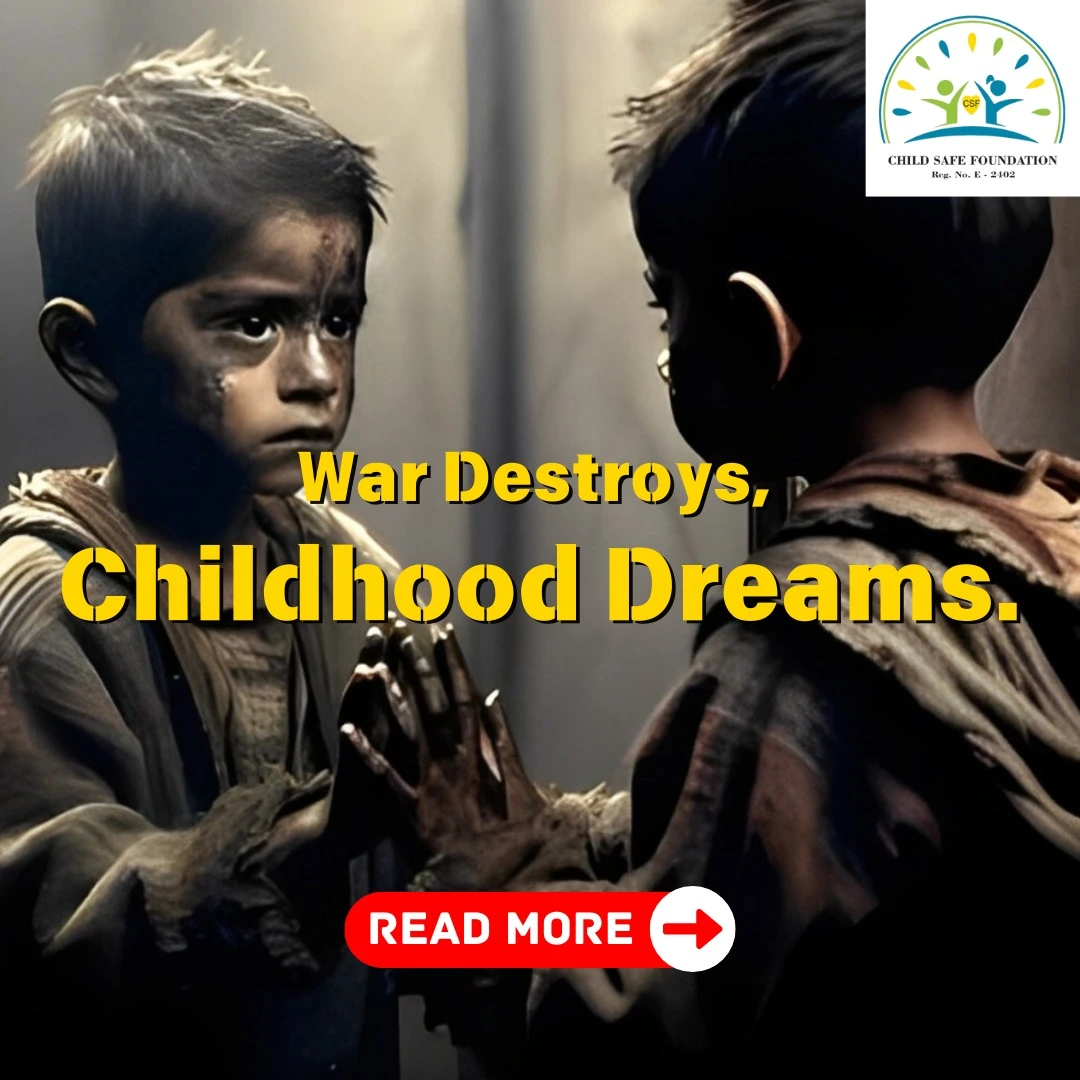
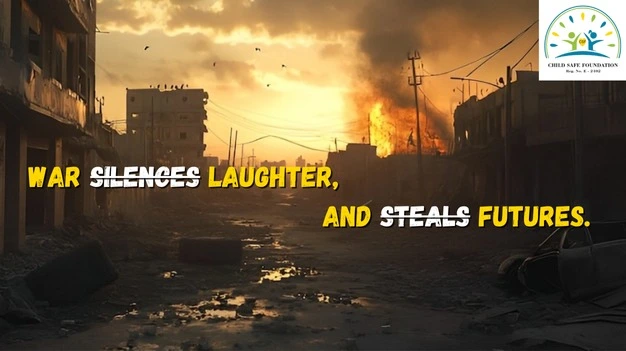
  • The Devastating Impact of War on Children

    The Devastating Impact of War on Children

    War is a catastrophic event that disrupts lives, particularly affecting children, who are often the most vulnerable victims. The devastating impact of war on children extends far beyond the battlefield, leaving deep emotional and physical scars on young lives. According to UNICEF, millions of children are currently out of school due to conflicts, significantly affecting their education and future prospects. Additionally, many face psychological trauma, which can lead to long-lasting mental health issues.

    At Child Safe Foundation, we explore the multifaceted impact of war on children, highlighting key areas of concern such as mental health, education disruption, and the increased risk of recruitment into armed groups. Our goal is to raise awareness and advocate for protecting and supporting children caught in the crossfire of conflict.

    1. Psychological Trauma

    One of the most immediate and profound effects of war on children is psychological trauma. Exposure to violence, displacement, and loss can lead to severe mental health issues, including anxiety, depression, and post-traumatic stress disorder (PTSD). According to research by the American Psychological Association, children in war zones exhibit significantly higher rates of psychological distress compared to their peers in peaceful regions​. The trauma experienced during these formative years can have lasting effects on their emotional and mental health.

    2. Disruption of Education

    War disrupts access to education, which is crucial for children’s development. Schools may be destroyed, repurposed for military use, or become too dangerous to attend. UNICEF reports that millions of children are out of school due to armed conflict​. This lack of education hinders their learning and limits their future opportunities and social development. Education provides a sense of normalcy and stability, which is often stripped away during times of war.

    3. Physical Health Risks

    Children in conflict zones face significant health risks due to disrupted healthcare services and inadequate nutrition. The World Health Organization has highlighted the increased incidence of malnutrition and disease in these regions​. Without access to proper healthcare, vaccinations, and nutritious food, children are at risk of severe health complications that can affect their growth and development.

    war

    4. Recruitment into Armed Groups

    In many conflict areas, children are forcibly recruited into armed groups or may take up arms themselves. This exposure to violence not only endangers their lives but also impacts their psychological and social development. The recruitment of child soldiers is a violation of international law, yet it remains a grim reality in various regions around the world​.

    5. Family Separation

    Wars often lead to family separations, with children losing their parents or being displaced from their homes. The trauma of losing a parent or being uprooted from familiar surroundings can create feelings of isolation and abandonment​. This loss can devastate their emotional well-being and sense of security.

    6. Social and Economic Disruption

    Armed conflict disrupts the social fabric of communities, leading to increased poverty and instability. Children growing up in such environments face long-term challenges related to a lack of opportunities, education, and social unrest​. The economic fallout from war often means that families cannot provide for their basic needs, further exacerbating the cycle of poverty and hardship.

    Conclusion

    The impact of war on children is devastating and far-reaching. The psychological, educational, physical, and social ramifications create a cycle of trauma and deprivation that can last a lifetime. As we strive to address these challenges, it is imperative that we advocate for peace, support humanitarian efforts, and ensure that children’s rights are protected in conflict zones.

    “The greatest casualties of war are always children.”Harrowing Truths

  • Empowering Every Child: The Significance of Child Rights in India

    Empowering Every Child: The Significance of Child Rights in India

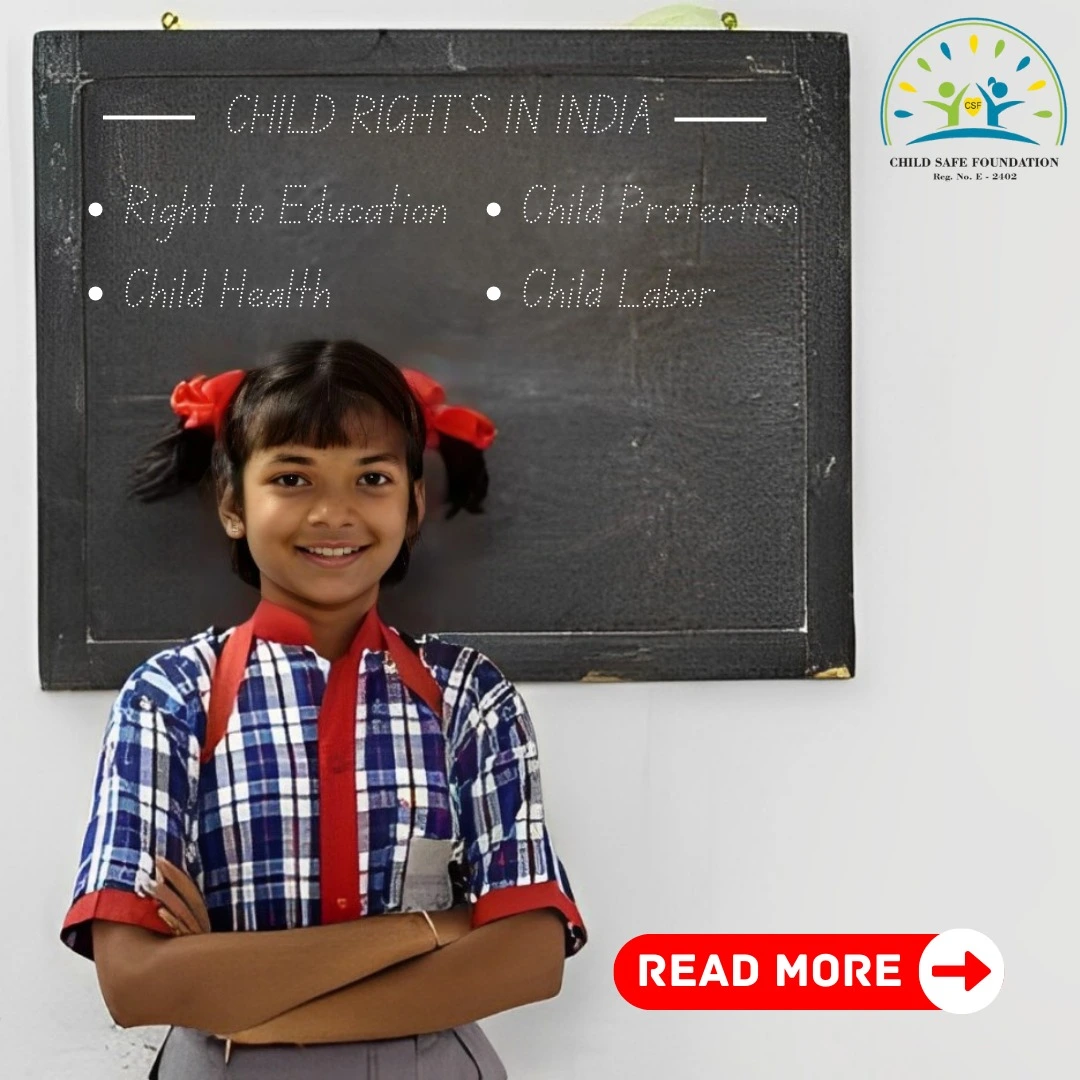
    Child rights are crucial for ensuring that children grow up healthy, educated, and safe. They are essential for shaping a brighter future for any nation. In India, these rights include providing every child with a loving home, a quality education, and a safe environment to thrive. However, despite advancements in laws and regulations, many children still face significant challenges like abuse, child labour, and lack of access to education.

    Right to Life: Health and Nutrition

    Every child has the right to survive and live a healthy life, which means access to basic healthcare and proper nutrition. While there have been improvements in child healthcare and a decrease in infant mortality rates, malnutrition remains a serious issue, especially in rural areas. Many children lack the necessary food and medical care for healthy growth. Programs like the mid-day meal initiative and Integrated Child Development Services (ICDS) have made a difference, but there is still much work to be done. Investing in healthcare and nutrition is vital, as a healthy child is the foundation of a prosperous future.

    Right to Education: Building Brighter Futures

    Education is the key to breaking the cycle of poverty. The Right to Education (RTE) Act guarantees free and compulsory education for children aged six to fourteen. However, many children, especially girls and those from marginalized communities, still face barriers to accessing quality education. Factors such as poverty, cultural norms, and child labour can force them to drop out of school. It’s important to create safe and welcoming schools that encourage learning and growth. Empowering girls through education is especially impactful, as educated women contribute positively to their families and communities.

    Right to Protection: Keeping Children Safe

    Every child deserves protection from harm. Unfortunately, issues like child labour, trafficking, and abuse are still prevalent in India. Despite laws aimed at safeguarding children, many still suffer in silence. Prevention is always better than cure, so it’s essential to focus on protecting children before harm occurs. Strengthening laws, providing support networks, and creating safe spaces can help ensure that children grow up free from danger. Remember, it takes a community to raise a child, and everyone has a role in safeguarding the well-being of our youth.

    Right to Participation: Giving Children a Voice

    Children have the right to express their opinions and be involved in decisions that affect their lives. By including them in conversations, we help them understand their rights and responsibilities, fostering a sense of belonging. Initiatives like student parliaments encourage children to share their views and participate in decision-making processes. Empowering children to voice their thoughts is vital for their development and helps create a community that respects and values everyone.

    Conclusion

    Child rights are not just legal obligations; they are moral commitments to the future of our society. By protecting and nurturing our children, we can build a stronger, healthier, and more just community. Every child in India deserves to grow up in a loving and supportive environment. Together, we can work towards a world where every child has the opportunity to thrive and contribute meaningfully to society. Remember, nurturing a child’s mind is a collective responsibility, and by ensuring they understand and enjoy their rights, we create a better future for all.