India is home to millions of children who grow up without access to the basics that shape a healthy childhood — proper nutrition, quality education, safe shelter, and timely medical care. For these children, everyday struggles like an empty stomach or a missed school fee can quietly close doors to opportunities that others take for granted.
The scale of the problem can feel overwhelming, but real change rarely comes from a single grand gesture. It comes from thousands of ordinary people choosing to act — sponsoring a school fee, donating a blanket, or simply giving an hour of their time. At Child Safe Foundation, we've seen how these small, consistent acts of kindness add up to transform entire childhoods.
In this article, we break down 10 practical, meaningful ways you can help underprivileged children in India today — whether through direct donations, volunteering, or simply spreading awareness within your own circle.
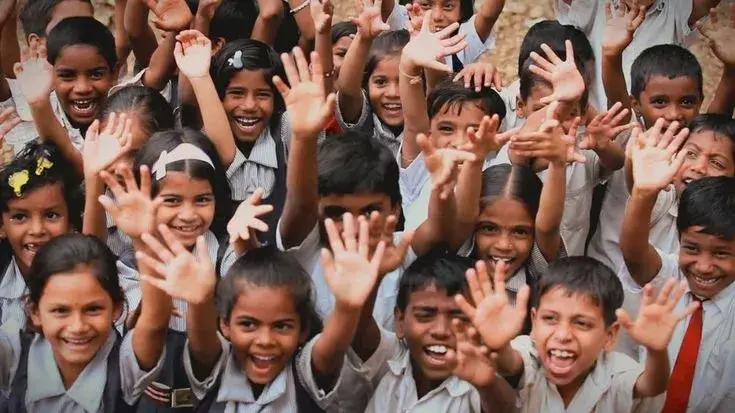
1. Support a Child's Education
Education remains one of the most powerful tools for breaking the cycle of poverty, yet it's often the first casualty when a family struggles financially. School fees, books, uniforms, and now digital learning tools have all become essential — and unaffordable — for many households. By sponsoring a child's education, even partially, you help cover costs like tuition fees, textbooks, notebooks, and school uniforms. Increasingly, access to a smartphone or tablet for digital learning has also become critical, especially in areas where schools rely on online resources. Your contribution through platforms like our education support program can mean the difference between a child staying in school and dropping out to work. Education doesn't just teach children to read and write; it builds confidence, opens career pathways, and gives them the tools to eventually lift their own families out of poverty.
2. Donate Nutritious Food
Malnutrition remains a silent crisis affecting a significant number of Indian children, impacting not just their physical growth but also their ability to concentrate and learn in school. Many children rely on mid-day meal programs as their only reliable source of nutrition during the day. Supporting food donation drives helps ensure children receive balanced, healthy meals — rice, dal, vegetables, and protein-rich foods — rather than going hungry or surviving on inadequate diets. Good nutrition in early childhood also has long-term effects on cognitive development, immunity, and overall health. When you contribute to a ration or meal program, you're not just filling a stomach for one day; you're supporting a child's ability to grow, learn, and thrive over the years ahead.
3. Help Children Receive Proper Healthcare
Access to basic healthcare is a right that remains out of reach for countless underprivileged children in India. Routine vaccinations, timely medical treatment, and emergency surgeries are often financially impossible for low-income families, forcing parents to delay or forgo care entirely. This can turn treatable conditions into life-threatening emergencies. Donating toward medical support helps cover doctor consultations, hospital admissions, medicines, and in critical cases, funds urgent surgeries for premature babies or children battling serious illnesses. Organizations working directly with hospitals — as we do through our network of partner hospitals — can direct your donation efficiently toward the children who need it most urgently, ensuring no child is denied treatment simply because their family cannot afford it.
4. Donate Clothes and Essentials
Something as simple as a warm blanket or a sturdy pair of shoes can significantly improve a child's daily life, especially during harsh winters or monsoon seasons. Many children living in shelters or slum communities lack adequate clothing, hygiene kits, and other essentials most households consider basic necessities. Donating gently used or new clothes, blankets, and hygiene kits (soap, toothbrushes, sanitary items) provides immediate comfort and dignity. These donations are particularly impactful during seasonal drives, when the need spikes sharply. Beyond the physical warmth or cleanliness they provide, such donations also send an emotional message to children — that someone outside their immediate circle cares about their well-being and comfort.
5. Volunteer Your Time
Not every form of help requires money. Volunteering your time — whether teaching a weekly class, mentoring a child through their studies, or helping organize events and donation drives — can have a deeply personal and lasting impact. Many underprivileged children lack consistent adult mentorship or exposure to people outside their immediate community, and volunteers often become role models who broaden a child's sense of what's possible for their future. Teaching doesn't have to mean formal academics either; art, sports, music, and life-skills sessions all contribute meaningfully to a child's development. If you have specific skills — whether in a subject, a craft, or simply patience and enthusiasm — there's likely a way to put them to use directly with children in need.
6. Sponsor School Supplies
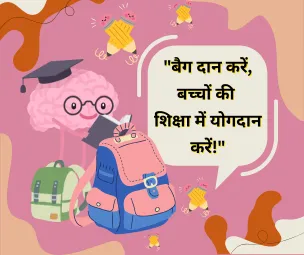
Beyond tuition fees, the smaller costs of schooling often go unnoticed but add up quickly for struggling families. School bags, notebooks, pens, geometry boxes, and shoes are essential for a child to attend school with dignity alongside their peers. Sponsoring a complete school kit — bag, stationery, and shoes — for even one child ensures they aren't held back or embarrassed by lacking basic supplies on the first day of school. These distributions are especially meaningful during the "back to school" season each year, when demand is highest. A well-equipped child is more likely to attend regularly, participate confidently, and stay motivated throughout the academic year, rather than feeling excluded due to visible economic gaps between themselves and classmates.
7. Raise Awareness
Not everyone can donate large sums or volunteer regularly, but almost everyone can raise awareness — and it costs nothing but a few minutes of your time. Sharing stories, campaigns, and fundraising posts on Facebook, Instagram, and WhatsApp can reach hundreds or even thousands of people who might otherwise never learn about a cause. Awareness often leads directly to action: someone in your network might decide to donate, volunteer, or share the message further themselves. Tagging friends, sharing verified NGO campaigns, and posting about specific urgent cases (like a child needing emergency medical support) can create a ripple effect far beyond what a single donation could achieve on its own. In the digital age, your voice and network are genuinely valuable resources.
💛 Small Acts, Real Impact
A single ration kit, a sponsored school fee, or a shared social media post may seem small individually — but together, these actions have helped Child Safe Foundation support education for dozens of children and provide monthly rations to 50 families in need. Change rarely comes from one big act; it comes from many people choosing to show up consistently.
8. Support Trusted NGOs
Working through an established, transparent NGO ensures your contribution reaches children efficiently and is used responsibly. At Child Safe Foundation, we focus on three core pillars: Free Education, where children receive books, mentorship, and learning support at no cost; Medical Support, connecting critically ill children with partner hospitals for life-saving treatment; and Food Distribution, through our monthly ration drives supporting families who would otherwise go without. Choosing a trusted, verified organization means your donation is tracked, your impact is measurable, and you can be confident funds are directed toward genuine need rather than lost to inefficiency. Before donating anywhere, it's worth checking an NGO's registration, transparency reports, and track record — trust is the foundation of meaningful giving.
9. Encourage Monthly Giving
One-time donations provide valuable immediate relief, but recurring monthly contributions allow NGOs to plan ahead with far greater confidence and consistency. Knowing that a certain amount will arrive reliably each month allows organizations to commit to ongoing programs — like continuous medical care for a child in treatment, uninterrupted monthly rations for families, or sustained school fee coverage across an entire academic year — without the uncertainty of one-off funding gaps. Even a modest recurring monthly donation, when combined with contributions from other regular donors, creates a stable funding base that dramatically improves an NGO's ability to plan long-term programs rather than only reacting to emergencies as they arise. Consider setting up even a small monthly contribution.
10. Inspire Others to Join
Your individual contribution matters, but its impact multiplies when you inspire others around you to join the cause. Talk to your family about sponsoring a child's education together, encourage friends to participate in a donation drive, or propose a workplace fundraising initiative where colleagues collectively support a cause. Many companies also run CSR programs and matching-donation schemes that can amplify individual contributions significantly. Organizing a small fundraiser among your community — whether it's a birthday celebration redirected toward charity, a school donation drive, or a simple group WhatsApp collection — often raises more, and creates more lasting awareness, than acting alone. Every person you bring into the cause extends its reach far beyond what you could achieve individually.
Conclusion
Every child deserves education, healthcare, nutrition, and a safe environment in which to grow. The challenges facing underprivileged children in India are significant, but they are not insurmountable — especially when individuals choose to act, however small that action may seem. Whether it's sponsoring a school fee, donating a blanket, volunteering an afternoon, or simply sharing a story online, every contribution moves us closer to a future where no child is left behind. Together, we can build a brighter future for underprivileged children across India.
Support Child Safe Foundation Today
Your contribution can provide education, food, medical care, and hope to children in need.
Donate NowFrequently Asked Questions
How can I help poor children?
You can help by donating money, food, clothes, or school supplies, volunteering your time, sponsoring a child's education, or supporting a trusted NGO like Child Safe Foundation that works directly with children in need.
Can I donate online?
Yes, you can donate securely online through our donation page using UPI, credit/debit cards, or net banking — quick, safe, and completely transparent.
Is my donation tax exempt?
Yes, all donations to Child Safe Foundation are eligible for 50% tax exemption under Section 80G of the Income Tax Act, 1961. A receipt is provided for every donation.
Why is education important for underprivileged children?
Education breaks the cycle of poverty by opening doors to better employment, financial independence, and improved quality of life — giving children the tools to build a future beyond their current circumstances.
Which NGO supports children in India?
Child Safe Foundation is a Mumbai-based NGO supporting underprivileged children across India through free education, medical aid, and food distribution programs. Learn more about our work or visit our gallery to see the impact firsthand.